

Dispersants play a crucial and multi - faceted role in diesel engine oil, and as a diesel engine oil supplier, understanding these functions is key to providing high - quality products to our customers.
1. Contamination Control
One of the primary functions of dispersants in diesel engine oil is to control contamination. Diesel engines generate a significant amount of by - products during the combustion process. These include soot, which is a fine, black powder composed mainly of carbon particles. Soot is formed when fuel does not burn completely. Without proper control, soot particles can agglomerate and form larger particles. These larger particles can cause abrasive wear on engine components such as pistons, cylinders, and bearings.

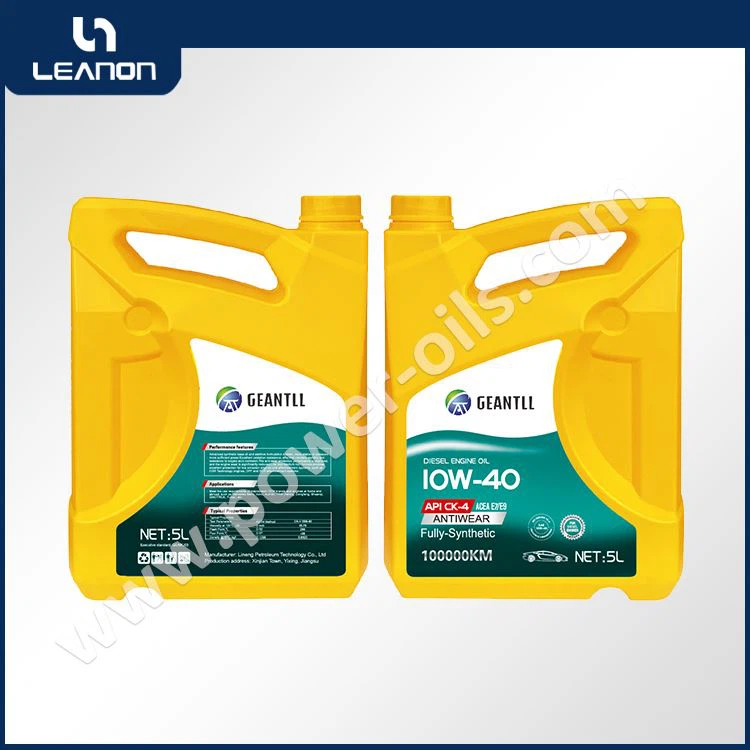
Dispersants work by adsorbing onto the surface of soot particles. They have a polar head that attaches to the soot and a non - polar tail that extends into the oil. This creates a steric or electrostatic barrier around the soot particles, preventing them from coming together and forming larger aggregates. For example, in modern diesel engines with high - pressure common - rail fuel injection systems, the combustion process is more efficient but still generates a certain amount of soot. Our Synthetic Diesel Oil CK - 4 contains advanced dispersants that can keep soot particles well - dispersed throughout the oil change interval, reducing the risk of wear and tear on engine parts.
In addition to soot, diesel engines also produce other contaminants such as oxidation products. Oxidation occurs when the oil reacts with oxygen at high temperatures. Oxidation products can include acids, gums, and varnishes. Dispersants can also help to disperse these oxidation products, preventing them from depositing on engine surfaces. This is especially important in heavy - duty diesel engines that operate under high - load and high - temperature conditions for extended periods.
2. Maintaining Oil Viscosity
Another important role of dispersants is to maintain the viscosity of the diesel engine oil. As contaminants accumulate in the oil, they can cause the oil to thicken. This thickening can lead to poor lubrication performance, increased fuel consumption, and reduced engine efficiency.
Dispersants help to prevent the thickening of the oil by keeping contaminants in suspension. By preventing the agglomeration of soot and other particles, the dispersants ensure that the oil remains fluid and can flow easily through the engine's lubrication system. For instance, in our CF - 4 15W/40 Diesel Engine Oil, the dispersant package is designed to maintain the oil's viscosity within the specified range, even under challenging operating conditions. This is essential for ensuring proper lubrication of all engine components, from the crankshaft to the camshaft.
3. Protecting Engine Components
Dispersants also contribute to the protection of engine components. By keeping contaminants dispersed, they reduce the likelihood of sludge formation. Sludge is a thick, sticky deposit that can form when contaminants in the oil combine and solidify. Sludge can block oil passages, reducing the flow of oil to critical engine parts. This can lead to overheating, increased wear, and even engine failure.
In heavy - duty diesel engines, which are often used in trucks, buses, and construction equipment, the risk of sludge formation is relatively high due to the harsh operating conditions. Our CK - 4 Heavy Duty Engine Oil is formulated with high - performance dispersants that can effectively prevent sludge formation. This protects the engine's internal components, such as the piston rings and valve train, from damage and extends the engine's service life.
4. Compatibility with Other Additives
Dispersants in diesel engine oil must be compatible with other additives in the oil formulation. Diesel engine oils typically contain a variety of additives, including antioxidants, anti - wear agents, and detergents. The dispersants need to work in harmony with these other additives to provide optimal performance.
For example, antioxidants are used to prevent the oxidation of the oil. Dispersants can help to keep the antioxidants well - dispersed in the oil, ensuring that they can effectively react with oxygen and prevent oxidation. Anti - wear agents are designed to form a protective film on engine surfaces to reduce wear. Dispersants can prevent contaminants from interfering with the formation of this protective film.
5. Meeting Regulatory Requirements
In recent years, there have been increasing regulatory requirements for diesel engine emissions and fuel efficiency. Diesel engine oils play an important role in meeting these requirements. Dispersants can contribute to reducing emissions by keeping the engine clean and operating efficiently.
A clean engine with well - dispersed contaminants is less likely to experience misfires and incomplete combustion, which can lead to increased emissions of pollutants such as particulate matter and nitrogen oxides. By using engine oils with effective dispersants, engine manufacturers can meet the strict emission standards set by regulatory bodies around the world.
Conclusion
In conclusion, dispersants are an essential component of diesel engine oil. They play a vital role in contamination control, maintaining oil viscosity, protecting engine components, ensuring compatibility with other additives, and meeting regulatory requirements. As a diesel engine oil supplier, we are committed to formulating our products with the latest and most effective dispersant technologies to provide our customers with high - quality diesel engine oils that can meet the demanding needs of modern diesel engines.
If you are interested in learning more about our diesel engine oils or have any questions regarding the role of dispersants in engine oil, we encourage you to contact us for further discussion. Our team of experts is ready to assist you in selecting the most suitable diesel engine oil for your specific application.
References
- "Lubricant Additives: Chemistry and Applications" by Leslie R. Rudnick.
- "Diesel Engine Systems" by John Heywood.
- Technical bulletins from major engine oil additive manufacturers.


