

Kinematic viscosity is a fundamental property that significantly influences the performance and longevity of gearbox fluids. As a leading supplier of ATF 6 gearbox fluid, I am often asked about the kinematic viscosity of this product. In this blog post, I will delve into the concept of kinematic viscosity, explain its importance in ATF 6 gearbox fluid, and provide detailed information about the kinematic viscosity of our ATF 6 fluid.
Understanding Kinematic Viscosity
Viscosity is a measure of a fluid's resistance to flow. It describes how thick or thin a fluid is and how easily it can move through a system. There are two main types of viscosity: dynamic viscosity and kinematic viscosity. Dynamic viscosity, also known as absolute viscosity, is a measure of the internal resistance of a fluid to flow under an applied force. Kinematic viscosity, on the other hand, is the ratio of dynamic viscosity to the density of the fluid. It is expressed in units of square millimeters per second (mm²/s) or centistokes (cSt).
Kinematic viscosity is an important parameter because it affects how a fluid behaves under different operating conditions. A fluid with high kinematic viscosity is thicker and more resistant to flow, while a fluid with low kinematic viscosity is thinner and flows more easily. In the context of gearbox fluids, the right kinematic viscosity is crucial for ensuring proper lubrication, reducing wear and tear, and maintaining efficient operation.
Importance of Kinematic Viscosity in ATF 6 Gearbox Fluid
ATF 6 gearbox fluid is specifically designed for use in automatic transmissions. These transmissions rely on the fluid to perform several critical functions, including lubrication, cooling, and power transmission. The kinematic viscosity of the ATF 6 fluid plays a vital role in each of these functions.
- Lubrication: The primary function of ATF 6 gearbox fluid is to lubricate the moving parts within the transmission. A fluid with the correct kinematic viscosity forms a thin film between the gears and other components, reducing friction and preventing metal-to-metal contact. This helps to minimize wear and tear, extend the lifespan of the transmission, and improve overall performance.
- Cooling: Automatic transmissions generate a significant amount of heat during operation. The ATF 6 fluid helps to dissipate this heat by carrying it away from the hot components and transferring it to the transmission cooler. A fluid with appropriate kinematic viscosity can flow freely through the transmission, ensuring efficient heat transfer and preventing overheating.
- Power Transmission: ATF 6 gearbox fluid also plays a crucial role in power transmission. It transfers the torque from the engine to the wheels, allowing the vehicle to move. The kinematic viscosity of the fluid affects how smoothly the torque is transmitted and how efficiently the transmission operates. A fluid with the right viscosity ensures that the transmission shifts smoothly and responds quickly to driver inputs.
Kinematic Viscosity of Our ATF 6 Gearbox Fluid
Our ATF 6 gearbox fluid is formulated to meet the strict requirements of modern automatic transmissions. It has a carefully balanced kinematic viscosity that provides optimal performance in a wide range of operating conditions.
At 40°C, the kinematic viscosity of our ATF 6 fluid typically ranges from 35 to 45 cSt. This relatively high viscosity at low temperatures ensures that the fluid provides adequate lubrication and protection during cold starts. As the temperature rises, the viscosity of the fluid decreases, allowing it to flow more easily and maintain efficient operation. At 100°C, the kinematic viscosity of our ATF 6 fluid is usually between 7 and 9 cSt. This lower viscosity at high temperatures ensures that the fluid can still provide effective lubrication and cooling while minimizing energy losses due to friction.

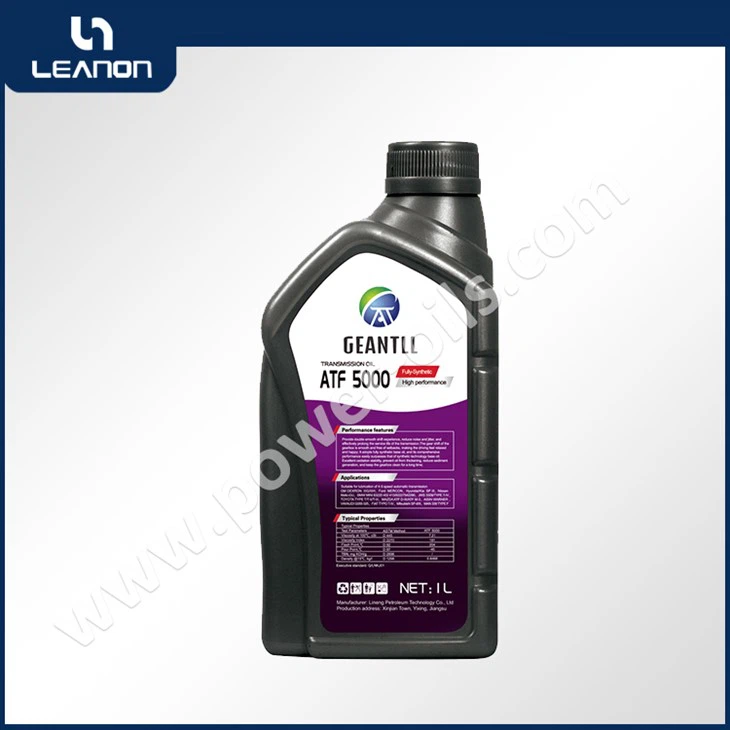
The kinematic viscosity of our ATF 6 gearbox fluid is carefully controlled during the manufacturing process to ensure consistency and reliability. We use advanced testing methods and quality control measures to verify that each batch of fluid meets our strict specifications. This ensures that our customers can rely on our ATF 6 fluid to deliver consistent performance and protection for their automatic transmissions.
Comparing ATF 6 with Other Gearbox Fluids
When choosing a gearbox fluid, it's important to consider the specific requirements of your transmission. Different types of transmissions may require fluids with different kinematic viscosities. For example, continuously variable transmissions (CVTs) typically require a fluid with a lower kinematic viscosity than traditional automatic transmissions. You can learn more about CVT Gearbox Fluid on our website.
In addition to CVT fluids, there are also other types of automatic transmission fluids available, such as ATF 5 and ATF 9. ATF 5 Gearbox Fluid is an older formulation that was commonly used in earlier automatic transmissions. It has a slightly higher kinematic viscosity than ATF 6, which may be suitable for some older vehicles. ATF 9 Gearbox Fluid, on the other hand, is a newer formulation that is designed for use in the latest high-performance automatic transmissions. It has a lower kinematic viscosity than ATF 6, which allows for more efficient operation and better fuel economy.
Factors Affecting Kinematic Viscosity
The kinematic viscosity of ATF 6 gearbox fluid can be affected by several factors, including temperature, shear stress, and contamination.
- Temperature: As mentioned earlier, the kinematic viscosity of a fluid decreases as the temperature increases. This is because the molecules in the fluid move more freely at higher temperatures, reducing the internal resistance to flow. It's important to choose a gearbox fluid that has a suitable viscosity index, which is a measure of how much the viscosity of the fluid changes with temperature. A fluid with a high viscosity index will maintain a more consistent viscosity over a wide range of temperatures, providing better performance and protection.
- Shear Stress: Shear stress occurs when the fluid is subjected to forces that cause it to flow in different directions. In a gearbox, shear stress can be generated by the rotating gears and other moving parts. High shear stress can cause the fluid to break down and lose its viscosity, which can lead to reduced lubrication and increased wear. Our ATF 6 gearbox fluid is formulated with shear-stable additives that help to maintain its viscosity under high shear conditions, ensuring long-lasting performance and protection.
- Contamination: Contamination can also affect the kinematic viscosity of ATF 6 gearbox fluid. Dirt, debris, and water can mix with the fluid, changing its properties and reducing its effectiveness. Regular fluid changes and proper maintenance can help to prevent contamination and ensure that the fluid maintains its optimal kinematic viscosity.
Conclusion
In conclusion, the kinematic viscosity of ATF 6 gearbox fluid is a critical factor that affects the performance, reliability, and longevity of automatic transmissions. Our ATF 6 gearbox fluid is formulated with a carefully balanced kinematic viscosity that provides optimal lubrication, cooling, and power transmission in a wide range of operating conditions. Whether you're a vehicle manufacturer, a repair shop, or an individual vehicle owner, you can rely on our ATF 6 fluid to deliver the performance and protection you need for your automatic transmission.
If you're interested in learning more about our ATF 6 gearbox fluid or other gearbox fluids we offer, please don't hesitate to contact us. We're here to help you find the right fluid for your specific needs and provide you with the support and expertise you need to keep your transmissions running smoothly.
References
- "Fundamentals of Fluid Mechanics" by Bruce R. Munson, Donald F. Young, and Theodore H. Okiishi
- "Automotive Transmission Fluid Technology" by the Society of Automotive Engineers (SAE)
- Technical data sheets and product literature from our company's research and development department


