When it comes to maintaining diesel engines, choosing the right engine oil is crucial. Diesel engine oil plays a vital role in lubricating engine components, reducing friction, preventing wear and tear, and dissipating heat. Among the various types of diesel engine oils available in the market, single - grade and multi - grade oils are two common options. As a diesel engine oil supplier, I'm here to shed light on the differences between these two types of oils to help you make an informed decision for your diesel engines.
Viscosity Characteristics
Viscosity is one of the most important properties of engine oil. It refers to the oil's resistance to flow. Single - grade diesel engine oils have a fixed viscosity at a specific temperature. For example, a single - grade oil like SAE 30 has a certain thickness at a given temperature range. This type of oil is formulated to perform optimally within a narrow temperature band. In colder temperatures, single - grade oils tend to thicken, which can make it difficult for the engine to start. On the other hand, in hotter temperatures, the oil may thin out too much, reducing its ability to provide adequate lubrication.
Multi - grade diesel engine oils, on the contrary, are designed to have a more flexible viscosity. They are formulated with special additives that allow the oil to maintain a relatively consistent viscosity across a wider range of temperatures. For instance, a multi - grade oil like 15W - 40 has a lower viscosity at cold temperatures (the "15W" part, where "W" stands for winter) to ensure easy engine starting. At higher temperatures, it thickens up to provide sufficient lubrication similar to a SAE 40 single - grade oil. This characteristic makes multi - grade oils more versatile and suitable for a broader range of operating conditions.
Performance in Different Climates
The performance of single - grade and multi - grade diesel engine oils varies significantly depending on the climate. In regions with relatively stable temperatures, such as tropical areas where the temperature remains high throughout the year, single - grade oils can be a viable option. For example, a SAE 40 single - grade oil can provide good lubrication and protection in engines operating in hot climates. However, if the engine is also used in colder months or during early mornings when the temperature drops, the thickening of the single - grade oil can cause starting problems and increased wear on engine components.

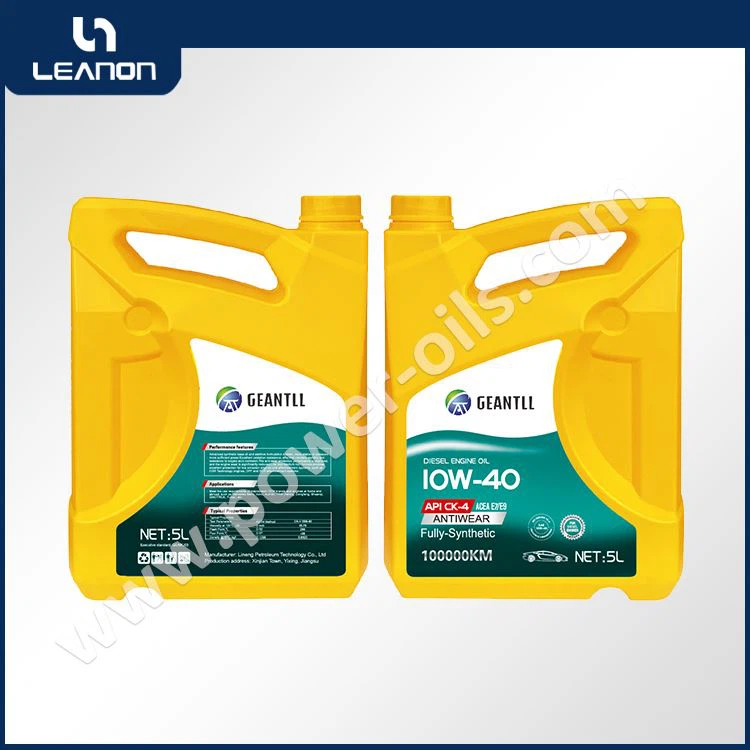
Multi - grade oils are more suitable for areas with large temperature variations. In temperate regions where the temperature can range from below freezing in winter to very hot in summer, a multi - grade oil like 5W - 40 or 10W - 30 can ensure proper engine lubrication and performance throughout the year. This eliminates the need to change the oil seasonally, which can be both time - consuming and costly.
Engine Compatibility
Engine design and age also play a role in determining whether single - grade or multi - grade oil is more appropriate. Older diesel engines, especially those with looser tolerances between engine components, may sometimes benefit from single - grade oils. These engines were often designed with the assumption that single - grade oils would be used, and the thicker consistency of single - grade oils can help fill the larger gaps between parts, reducing oil consumption and providing better sealing.
Newer diesel engines, however, are typically engineered to work with multi - grade oils. They have tighter tolerances and more advanced lubrication systems that require the precise viscosity control provided by multi - grade oils. Using a single - grade oil in a modern engine may not meet the engine's lubrication requirements, leading to increased friction, wear, and potentially reduced engine life. Additionally, many modern engines are equipped with advanced emission control systems that rely on the proper functioning of the engine oil. Multi - grade oils are formulated to meet the strict performance standards set by these systems, ensuring optimal engine performance and compliance with environmental regulations.
Application in Different Types of Diesel Engines
The type of diesel engine also influences the choice between single - grade and multi - grade oils. Heavy - duty diesel engines used in trucks, buses, and construction equipment often operate under high - load and high - temperature conditions. These engines require oils that can provide excellent wear protection and thermal stability. Multi - grade oils, such as Synthetic Diesel Oil CK - 4, are commonly recommended for heavy - duty applications. They can withstand the extreme pressures and temperatures generated by these engines, reducing the risk of engine damage and extending the oil change intervals.
Light - duty diesel engines, found in passenger cars and some small - to - medium - sized vehicles, may have different requirements. In some cases, depending on the engine design and the manufacturer's recommendations, single - grade oils can be used. However, multi - grade oils are still a popular choice due to their versatility and ability to provide consistent performance in various driving conditions. For example, CF - 4 20W/50 Diesel Engine Oil and CF - 4 15W/40 Diesel Engine Oil are suitable for a wide range of light - and medium - duty diesel engines, offering good protection against wear and oxidation.
Cost Considerations
Cost is another factor that cannot be ignored when choosing between single - grade and multi - grade diesel engine oils. Generally, single - grade oils are less expensive than multi - grade oils. This is because multi - grade oils require more complex formulations and the addition of special viscosity - modifying additives. However, when considering the overall cost, it's important to take into account the long - term benefits of using multi - grade oils.
Multi - grade oils can reduce engine wear, extend oil change intervals, and improve fuel efficiency. These benefits can offset the higher initial cost of the oil. For example, by reducing engine wear, multi - grade oils can help avoid costly engine repairs and replacements. Additionally, the ability to use the same oil throughout the year eliminates the need to purchase and store different types of oils for different seasons.
Making the Right Choice
As a diesel engine oil supplier, I understand that choosing the right oil for your diesel engine can be a challenging decision. It's essential to consider several factors, including the climate in which the engine operates, the engine's design and age, and the type of application. Always refer to the engine manufacturer's recommendations, as they provide the most accurate information regarding the suitable oil for your specific engine.
If you're still unsure which type of oil is best for your diesel engine, our team of experts is here to help. We can provide personalized advice based on your engine's requirements and your operating conditions. Whether you need a single - grade oil for a specific application or a multi - grade oil for all - season performance, we have a wide range of high - quality diesel engine oils to meet your needs.
Contact Us for Procurement
If you're interested in purchasing diesel engine oil, we invite you to get in touch with us. Our dedicated sales team is ready to assist you with your procurement needs. We offer competitive prices, reliable delivery, and excellent customer service. Let us help you find the perfect diesel engine oil for your engines and ensure their optimal performance and longevity.
References
- "Diesel Engine Lubrication Basics," Society of Automotive Engineers (SAE).
- Engine Oil Manufacturers Association (EOMA) publications on diesel engine oil performance.
- Diesel engine manufacturers' technical manuals and guidelines.