

As a long - time supplier of diesel engine oil, I've witnessed numerous cases of low diesel engine oil pressure over the years. Low oil pressure in a diesel engine can be a serious issue that, if not addressed promptly, may lead to engine damage and costly repairs. In this blog, I'll delve into the various factors that can cause low diesel engine oil pressure, providing insights that can help you maintain your engine's health.
1. Insufficient Oil Level
One of the most common causes of low oil pressure is an insufficient oil level. Diesel engines rely on a proper amount of oil to lubricate moving parts and create a pressure - generating film. If the oil level is too low, there won't be enough oil to maintain the required pressure.
This can happen due to oil leaks. Diesel engines are complex machines, and over time, gaskets, seals, or oil pan plugs may deteriorate, leading to oil leakage. Regularly checking the oil level using the dipstick is crucial. If you notice a significant drop in the oil level between oil changes, it's a sign that there might be a leak.
Another reason for low oil level could be excessive oil consumption. Some older diesel engines may burn oil at a higher rate. This can be due to worn piston rings, valve seals, or other internal engine components. When the engine burns oil, the oil level gradually decreases, resulting in low oil pressure.
2. Oil Viscosity Issues
Oil viscosity plays a vital role in maintaining proper oil pressure. Diesel engine oils are available in different viscosities, such as CI - 4 15W/40 Diesel Engine Oil. The viscosity rating indicates how thick or thin the oil is at different temperatures.
If the oil is too thin, it won't be able to create a sufficient pressure - generating film between moving parts. This can happen if the wrong viscosity oil is used, especially in high - temperature environments. For example, using a lower - viscosity oil than recommended in a hot climate may cause the oil to thin out too much, leading to low oil pressure.
Conversely, if the oil is too thick, it may not flow easily through the engine's oil passages. This can be a problem in cold weather when using an oil with a high - viscosity rating that is not suitable for low temperatures. The thick oil may struggle to reach all the necessary components, resulting in reduced oil pressure.
3. Faulty Oil Pump
The oil pump is responsible for circulating oil throughout the engine and maintaining the required oil pressure. A faulty oil pump can be a major cause of low oil pressure.
Over time, the oil pump's internal components, such as gears or rotors, may wear out. This can reduce the pump's efficiency in moving oil, leading to a decrease in oil pressure. Additionally, the oil pump may become clogged with debris or sludge. If the oil filter fails to remove all the contaminants from the oil, these particles can accumulate in the oil pump, preventing it from functioning properly.
4. Clogged Oil Filter
The oil filter is designed to remove contaminants from the oil, ensuring that clean oil circulates through the engine. However, if the oil filter becomes clogged, it can restrict the flow of oil.
As the filter accumulates dirt, debris, and sludge, the pressure drop across the filter increases. This can cause the oil to bypass the filter, but the restricted flow can still lead to low oil pressure. Regularly replacing the oil filter according to the manufacturer's recommendations is essential to prevent this issue.
5. Worn Engine Bearings
Engine bearings are critical components that support the crankshaft and other moving parts. Over time, these bearings can wear out due to normal use, high - load operation, or poor lubrication.
When the bearings wear, the clearances between the bearings and the shafts increase. This allows the oil to flow more freely, reducing the oil pressure. Worn bearings can also cause increased friction and heat, which can further exacerbate the problem. If you suspect worn engine bearings, it's important to have the engine inspected by a professional mechanic.

6. Oil Pressure Sensor Malfunction
The oil pressure sensor is responsible for measuring the oil pressure and sending a signal to the dashboard gauge or warning light. A malfunctioning oil pressure sensor can give false readings, indicating low oil pressure when there is actually no problem.
This can be due to a faulty sensor itself, loose electrical connections, or a damaged wiring harness. If the oil pressure warning light comes on, but the engine seems to be running normally and the oil level is correct, it's possible that the sensor is malfunctioning. A diagnostic test can be performed to determine if the sensor is the issue.
7. Contaminated Oil
Contaminated oil can also lead to low oil pressure. Diesel engines are exposed to various contaminants, such as dirt, water, and fuel. If these contaminants enter the oil, they can affect the oil's properties and its ability to maintain pressure.
Water in the oil can cause corrosion and reduce the oil's lubricating properties. Fuel dilution can thin out the oil, similar to using an oil with the wrong viscosity. Dirt and debris can clog the oil passages and filters, restricting the oil flow. Regular oil analysis can help detect contaminants in the oil and allow for timely corrective action.
8. Incorrect Oil Fill
Sometimes, the problem may be as simple as incorrect oil fill. If too much oil is added to the engine, it can cause aeration. When air gets mixed with the oil, it can reduce the oil's ability to create pressure. On the other hand, if the oil is not filled to the correct level, as mentioned earlier, it can lead to low oil pressure.
Solutions and Recommendations
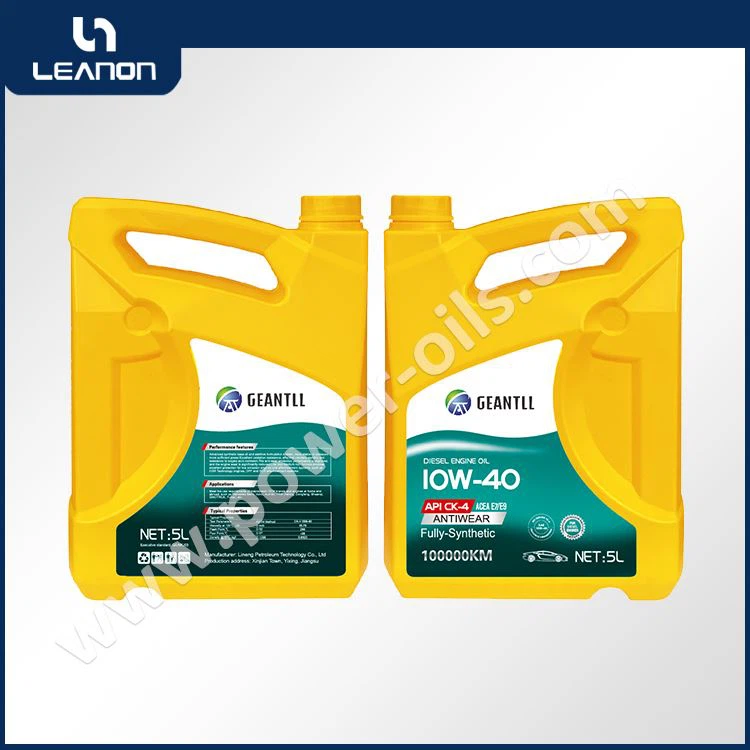
To prevent low diesel engine oil pressure, it's important to follow a regular maintenance schedule. This includes checking the oil level regularly, using the correct viscosity of oil such as CI - 4 Diesel Engine Oil, CK - 4 Heavy Duty Engine Oil, CJ - 4 15W/40 Diesel Engine Oil, or Synthetic Diesel Oil CK - 4 as recommended by the engine manufacturer, and replacing the oil filter at the appropriate intervals.
If you experience low oil pressure, it's crucial to address the issue promptly. Ignoring the problem can lead to severe engine damage. First, check the oil level. If it's low, add the appropriate oil. If the oil level is correct, but the pressure is still low, it's advisable to have the engine inspected by a professional mechanic.
As a diesel engine oil supplier, we understand the importance of high - quality oil in maintaining proper engine performance. Our range of diesel engine oils is formulated to meet the specific needs of different diesel engines, providing excellent lubrication and pressure - maintaining properties.
If you're in the market for diesel engine oil or have any questions about maintaining your engine's oil pressure, we're here to help. Contact us to discuss your requirements and explore our product offerings. We're committed to providing you with the best solutions for your diesel engine needs.


