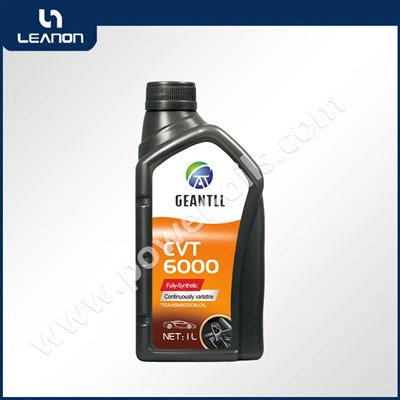
When it comes to keeping your vehicle's gearbox running smoothly, choosing the right gearbox fluid is super important. As a gearbox fluid supplier, I've seen firsthand how the wrong fluid can cause all sorts of problems, from poor performance to serious damage. So, let's dive into the factors you should consider when picking the perfect gearbox fluid.
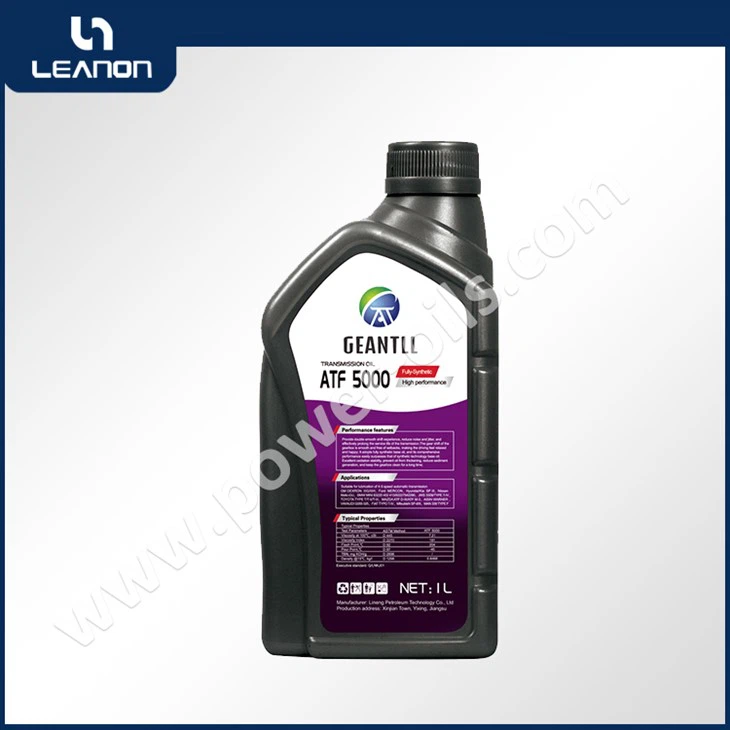

Compatibility with Your Gearbox
First off, you gotta make sure the fluid you choose is compatible with your gearbox. Different types of gearboxes - like automatic, manual, and continuously variable transmissions (CVTs) - have different requirements. For example, automatic transmissions need a fluid that can handle the complex hydraulic systems and multiple clutches. That's where ATF 9 Gearbox Fluid comes in. It's specifically formulated for modern automatic transmissions, providing excellent lubrication and smooth shifting.
On the other hand, manual gearboxes usually need a fluid with high viscosity to handle the direct contact between gears. ATF 5 Gearbox Fluid might be a great option here. It offers good protection against wear and tear, ensuring your manual gearbox lasts longer.
CVTs are a bit different. They require a fluid that can provide the right amount of friction for the belt or chain to operate smoothly. CVT Gearbox Fluid is designed just for this purpose, with special additives to keep the CVT running efficiently.
Viscosity
Viscosity is another crucial factor. It refers to how thick or thin the fluid is. In simple terms, you want a fluid with the right viscosity for your gearbox's operating conditions. If the fluid is too thin, it won't provide enough lubrication, and the gears can wear out quickly. If it's too thick, it can make shifting difficult and reduce fuel efficiency.
The viscosity of gearbox fluid is usually rated using the SAE (Society of Automotive Engineers) system. For example, a common rating for automatic transmission fluid might be something like SAE 20 or SAE 30. You need to check your vehicle's owner's manual to find out the recommended viscosity range for your gearbox.
Additives
Most gearbox fluids come with additives that enhance their performance. These additives can do things like prevent oxidation, reduce foaming, and improve wear protection. For instance, anti - oxidation additives help the fluid last longer by preventing it from breaking down when exposed to high temperatures. This is especially important in high - performance or heavy - duty applications.
Foaming can be a big problem in gearboxes. When the fluid foams, it can't transfer power effectively, and it can also lead to overheating. Anti - foaming additives help keep the fluid stable and prevent foam from forming.
Wear - protection additives create a protective layer on the gears, reducing friction and wear. This is essential for extending the life of your gearbox.
Temperature Range
Your gearbox operates in a wide range of temperatures, from cold starts in the winter to high - heat situations during long drives or heavy use. The fluid you choose needs to be able to perform well across this temperature range.
In cold weather, the fluid needs to remain fluid enough to allow for easy shifting. If it gets too thick, it can make the gearbox sluggish and hard to operate. On the other hand, in hot weather, the fluid needs to maintain its viscosity and not break down. High - quality gearbox fluids are formulated to have a wide temperature range, so they can handle both cold and hot conditions.
Manufacturer Recommendations
Always follow the manufacturer's recommendations when it comes to choosing gearbox fluid. Vehicle manufacturers spend a lot of time and money testing different fluids to find the ones that work best with their gearboxes. Using a fluid that doesn't meet their specifications can void your warranty and cause serious problems.
Your vehicle's owner's manual will have detailed information about the recommended gearbox fluid, including the brand, type, and specifications. Make sure to read this carefully and stick to the guidelines.
Cost
Cost is also a factor that you can't ignore. Gearbox fluids can vary widely in price, depending on their quality, brand, and the type of additives they contain. While it might be tempting to go for the cheapest option, remember that using a low - quality fluid can end up costing you more in the long run.
A high - quality gearbox fluid can provide better protection, longer service life, and improved performance. This can save you money on repairs and maintenance down the road. So, it's worth investing in a good fluid that meets all your gearbox's requirements.
Environmental Considerations
In today's world, environmental concerns are becoming more and more important. Some gearbox fluids are formulated to be more environmentally friendly. These fluids might be biodegradable or have lower levels of harmful chemicals.
If you're conscious about the environment, look for gearbox fluids that are labeled as eco - friendly. While they might be a bit more expensive, they can give you peace of mind knowing that you're doing your part to protect the planet.
Brand Reputation
The brand of the gearbox fluid matters too. Well - known brands usually have a reputation for quality and reliability. They invest in research and development to ensure their fluids meet the latest industry standards.
When you choose a reputable brand, you can be more confident that the fluid will perform as expected and provide the necessary protection for your gearbox. You can also look for customer reviews and feedback to get an idea of how well a particular brand's fluid works in real - world applications.
Availability
Finally, consider the availability of the gearbox fluid. You don't want to be in a situation where you need to change the fluid and can't find the right one. Choose a fluid that is widely available at auto parts stores or through your local dealership.
As a gearbox fluid supplier, I understand that finding the right fluid can be a bit overwhelming. But by considering these factors, you can make an informed decision that will keep your gearbox running smoothly for years to come. If you have any questions or need help choosing the right gearbox fluid for your vehicle, don't hesitate to reach out. We're here to assist you with all your gearbox fluid needs and are ready to discuss your procurement requirements.
References
- Society of Automotive Engineers (SAE) standards on gearbox fluid viscosity.
- Vehicle owner's manuals for specific gearbox fluid recommendations.
- Industry research on gearbox fluid additives and their effects.