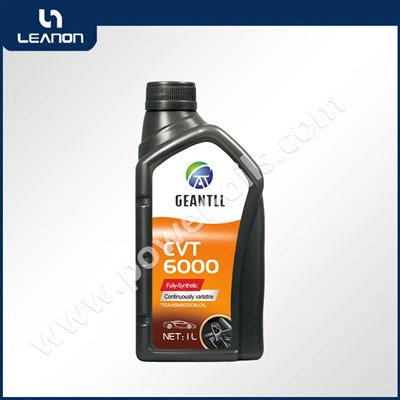
When it comes to selecting the right engine oil for gasoline engines, the choices can be overwhelming. Two popular options in the market are Full Synthetic 0W - 20 and 10W - 20 oils. As a supplier of Full Synthetic 0W-20 Gasoline Engine, I've had extensive experience with these products and understand their nuances. In this blog, I'll delve into the differences between these two types of engine oils to help you make an informed decision.
Viscosity and Temperature Performance
One of the most significant differences between Full Synthetic 0W - 20 and 10W - 20 lies in their viscosity ratings. The numbers before the "W" (which stands for winter) and after it indicate the oil's viscosity at low and high temperatures, respectively.
The "0W" in Full Synthetic 0W - 20 means that the oil has a very low viscosity at cold temperatures. This allows it to flow freely and quickly when the engine is started in cold weather. Quick oil flow is crucial because it ensures that all engine components are lubricated immediately, reducing wear and tear during startup. On the other hand, the "10W" in 10W - 20 has a higher viscosity at cold temperatures. It may take a bit longer to reach all parts of the engine when starting in cold conditions, potentially leading to more friction and wear in the initial moments.
At high temperatures, both oils have a viscosity rating of 20, which means they provide similar levels of protection and lubrication under normal operating conditions. However, the 0W - 20 oil's synthetic formulation often allows it to maintain its viscosity better in extreme heat compared to some 10W - 20 oils, especially those that are not fully synthetic.
Fuel Efficiency
Full Synthetic 0W - 20 oil is known for its ability to improve fuel efficiency. Its low viscosity at both cold and hot temperatures reduces the internal friction within the engine. When there is less friction, the engine doesn't have to work as hard to move its components, which in turn requires less fuel. Many modern vehicles are designed to use 0W - 20 oil to optimize their fuel economy.
While 10W - 20 oil can also contribute to fuel efficiency, it may not be as effective as 0W - 20, especially in colder climates. The slightly higher viscosity at cold temperatures means that the engine has to overcome more resistance during startup and initial operation, which can lead to a small increase in fuel consumption.
Engine Protection
Full synthetic oils, such as Full Synthetic 0W - 20, offer superior engine protection compared to conventional or semi - synthetic oils. They are formulated with advanced additives and base oils that resist oxidation, sludge formation, and wear. The synthetic base oils have a more uniform molecular structure, which provides better lubrication and protection for engine components.
In addition, the low - temperature performance of 0W - 20 ensures that the engine is protected from cold - start wear. Cold starts are one of the most critical times for engine wear because the oil may not be flowing properly yet. By using 0W - 20, you can minimize this risk.
10W - 20 oil also provides good engine protection, but it may not offer the same level of protection in extreme conditions. For example, in very cold climates, the slower oil flow of 10W - 20 can lead to increased wear during startup. And in high - performance or high - mileage engines, the 0W - 20's synthetic formulation may be better at handling the additional stress and heat.
Compatibility with Modern Engines
Many modern gasoline engines, especially those with advanced technologies like direct injection and turbocharging, are specifically designed to use Full Synthetic 0W - 20 oil. These engines have tight tolerances and require an oil that can provide excellent lubrication and protection under high - pressure and high - temperature conditions.
Automobile manufacturers often recommend 0W - 20 oil to ensure that the engine operates at its best and meets emission standards. Using the recommended oil can also help maintain the vehicle's warranty.


10W - 20 oil may be suitable for older engines or engines that are not as sensitive to oil viscosity. However, if your vehicle's owner's manual recommends 0W - 20, it's generally best to follow that recommendation to avoid potential issues.
Cost
Full Synthetic 0W - 20 oil is typically more expensive than 10W - 20 oil. The higher cost is due to the advanced synthetic base oils and additives used in its formulation. However, it's important to consider the long - term benefits. The improved fuel efficiency, better engine protection, and compatibility with modern engines can save you money in the long run by reducing maintenance costs and improving the engine's lifespan.
Applications
Full Synthetic 0W - 20 oil is ideal for vehicles that are frequently driven in cold climates. It's also a great choice for high - performance engines, hybrid vehicles, and modern cars with advanced engine technologies. If you want to maximize fuel efficiency and engine protection, 0W - 20 is the way to go.
10W - 20 oil can be a good option for vehicles that are mainly driven in milder climates and have older engines. It's a more cost - effective choice in some cases, especially if the engine doesn't require the high - performance features of 0W - 20 oil.
Our Product Offerings
As a supplier of Full Synthetic 0W-20 Gasoline Engine, we also offer other high - quality engine oils such as SP ACEA C3 5W - 30 Gasoline Engine Oil and SP 5W30 Gasoline Engine Oil. These oils are formulated to meet the specific needs of different engines and provide excellent protection and performance.
If you're looking for the best engine oil for your gasoline engine, whether it's for improved fuel efficiency, better engine protection, or compatibility with modern technologies, we can help. Our team of experts can provide you with detailed information and guidance on choosing the right oil for your vehicle.
Conclusion
In conclusion, the differences between Full Synthetic 0W - 20 and 10W - 20 for gasoline engines are significant. Full Synthetic 0W - 20 offers better cold - start performance, improved fuel efficiency, superior engine protection, and better compatibility with modern engines. However, it comes at a higher cost. 10W - 20 oil can be a suitable option for milder climates and older engines.
If you're in the market for engine oil and want to discuss your specific needs, we invite you to contact us for a procurement discussion. Our goal is to provide you with the best engine oil solutions that meet your requirements and budget.
References
- "Motor Oil Viscosity: What the Numbers Mean." Mobil, ExxonMobil.
- "Choosing the Right Motor Oil." AAA.
- "Engine Oil and Lubricants Guide." Consumer Reports.