How does the gearbox transmission fluid cool the transmission?
As a trusted supplier of Gearbox Transmission Fluids, I've witnessed firsthand the critical role that transmission fluid plays in the performance and longevity of a vehicle's gearbox. One of the most important functions of this fluid is to cool the transmission. In this blog, I'll delve into the science behind how gearbox transmission fluid cools the transmission and why it's essential for your vehicle's health.
The Basics of Transmission Heat Generation
Before we explore how the fluid cools the transmission, it's important to understand where the heat comes from. Inside a gearbox, there are numerous moving parts such as gears, clutches, and bands. When the vehicle is in operation, these parts rub against each other, creating friction. Friction is a major source of heat in the transmission. Additionally, the energy transfer that occurs during gear shifts also generates heat. If this heat isn't managed properly, it can lead to a variety of problems, including premature wear and tear, reduced efficiency, and even complete transmission failure.
The Cooling Mechanism of Gearbox Transmission Fluid
Gearbox transmission fluid acts as a coolant by absorbing the heat generated within the transmission. It circulates through the various components of the gearbox, picking up heat as it goes. Once the fluid has absorbed the heat, it travels to the transmission cooler, which is typically located in the radiator or as a separate unit. The cooler uses air or coolant to dissipate the heat from the fluid, allowing it to return to the transmission at a lower temperature.
There are several key properties of transmission fluid that enable it to effectively cool the transmission:
- High Specific Heat Capacity: Specific heat capacity is the amount of heat energy required to raise the temperature of a substance by a certain amount. Transmission fluid has a relatively high specific heat capacity, which means it can absorb a significant amount of heat without experiencing a large increase in temperature. This allows it to carry away heat from the transmission components efficiently.
- Good Thermal Conductivity: Thermal conductivity refers to a material's ability to conduct heat. Transmission fluid has good thermal conductivity, which enables it to transfer heat from the hot components of the transmission to the cooler more effectively.
- Proper Viscosity: Viscosity is a measure of a fluid's resistance to flow. Transmission fluid must have the right viscosity to ensure proper circulation within the gearbox. If the fluid is too thick, it may not flow freely, which can impede the cooling process. On the other hand, if the fluid is too thin, it may not provide adequate lubrication and protection for the transmission components.
The Importance of Using the Right Transmission Fluid
Using the correct type of transmission fluid is crucial for maintaining the cooling efficiency of the transmission. Different vehicles require different types of transmission fluid, depending on the design and specifications of the gearbox. Using the wrong fluid can lead to a variety of problems, including poor cooling performance, increased wear and tear, and transmission failure.
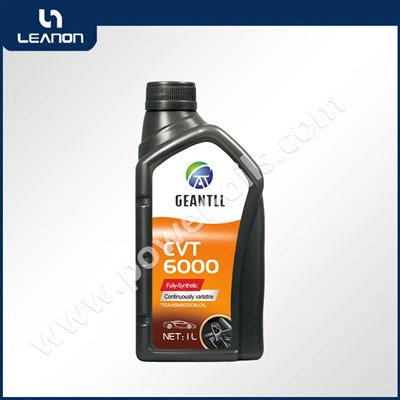
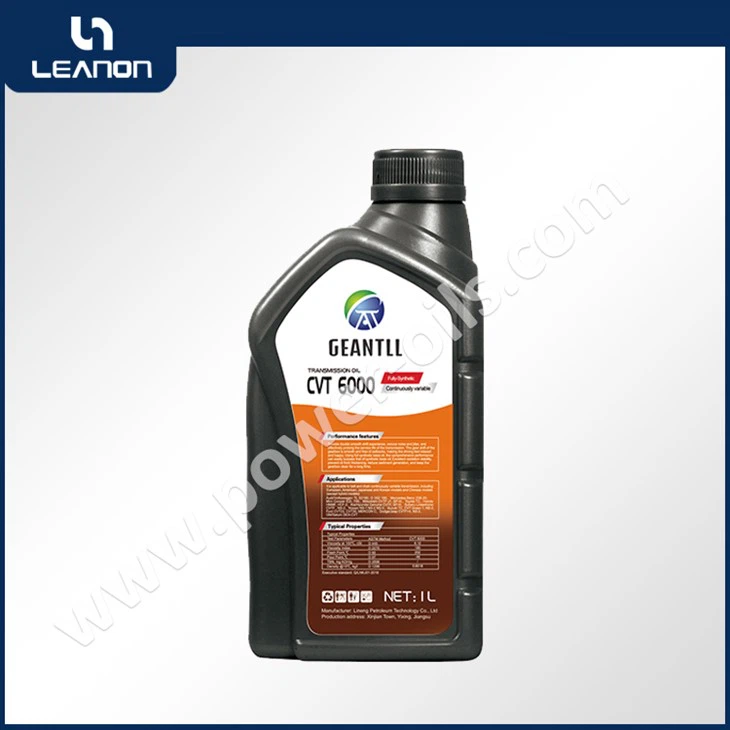
As a supplier of Gearbox Transmission Fluids, we offer a range of high-quality products to meet the specific needs of different vehicles. Our ATF 5 Gearbox Fluid is designed for use in a wide range of automatic transmissions, providing excellent cooling and lubrication properties. Our ATF 9 Gearbox Fluid is formulated for modern, high-performance transmissions, offering enhanced protection and cooling capabilities. And our CVT Gearbox Fluid is specifically designed for continuously variable transmissions, ensuring smooth operation and efficient cooling.

Factors Affecting Transmission Fluid Cooling
Several factors can affect the cooling performance of transmission fluid:
- Operating Conditions: The operating conditions of the vehicle, such as driving in hot weather, towing heavy loads, or stop-and-go traffic, can increase the heat generated in the transmission. In these situations, the transmission fluid may need to work harder to cool the transmission, and it may be necessary to use a higher-quality fluid or install an auxiliary transmission cooler.
- Fluid Level and Condition: Maintaining the proper fluid level is essential for ensuring adequate cooling. If the fluid level is too low, there may not be enough fluid to circulate through the transmission and carry away the heat. Additionally, over time, transmission fluid can break down and become contaminated, which can reduce its cooling efficiency. Regular fluid changes are necessary to keep the fluid in good condition and maintain optimal cooling performance.
- Cooler Efficiency: The efficiency of the transmission cooler can also affect the cooling performance of the fluid. If the cooler is clogged or damaged, it may not be able to dissipate the heat from the fluid effectively. Regular maintenance of the cooler, including cleaning and inspection, is important to ensure it is functioning properly.
Conclusion
In conclusion, gearbox transmission fluid plays a vital role in cooling the transmission. By absorbing and dissipating the heat generated within the gearbox, it helps to prevent overheating and ensure the smooth operation and longevity of the transmission. Using the right type of transmission fluid and maintaining it properly are essential for maximizing its cooling performance.
As a supplier of Gearbox Transmission Fluids, we are committed to providing high-quality products and expert advice to our customers. If you have any questions about our products or need assistance in choosing the right transmission fluid for your vehicle, please don't hesitate to contact us. We look forward to helping you keep your transmission running cool and smoothly.
References
- "Automotive Transmission Fluid: Properties and Performance" by SAE International
- "Transmission Cooling Systems: Design and Operation" by the American Society of Mechanical Engineers
- "The Importance of Transmission Fluid in Vehicle Performance" by the Society of Automotive Engineers