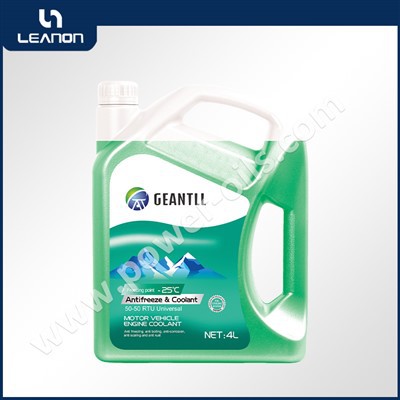
Antifreeze engine radiator coolant plays a pivotal and multi - faceted role in safeguarding the heater core of a vehicle. As a leading supplier of Antifreeze Engine Radiator Coolant, I am well - versed in the science and practical applications of these coolants, and I am excited to share how they protect the heater core.


Understanding the Heater Core
Before delving into how antifreeze coolant protects the heater core, it's crucial to understand what the heater core is. The heater core is a small radiator - like device located within the vehicle's dashboard. Its primary function is to transfer heat from the engine's coolant to the cabin, providing warmth during cold weather. It works by allowing hot coolant to flow through its tubes, and as air passes over these tubes, the heat is transferred to the air, which is then blown into the cabin.
Freezing Protection
One of the most fundamental ways antifreeze engine radiator coolant protects the heater core is by preventing the coolant from freezing. In cold climates, water has a high freezing point of 0°C (32°F). If water were used as the sole coolant in the system, it would freeze during winter. When water freezes, it expands, which can cause significant damage to the heater core and other components of the cooling system.
Antifreeze coolants, such as Antifreeze Fluid - 25, Antifreeze Fluid - 45, Antifreeze Fluid - 35, and Antifreeze Fluid - 15, are formulated to lower the freezing point of the coolant mixture. For example, a typical 50/50 mixture of antifreeze and water can lower the freezing point to around - 37°C (- 35°F). This ensures that the coolant remains in a liquid state even in extremely cold conditions, preventing the expansion and subsequent damage to the heater core.
Boiling Point Elevation
In addition to preventing freezing, antifreeze engine radiator coolant also raises the boiling point of the coolant mixture. During normal operation, the engine generates a significant amount of heat, and the coolant in the system can reach high temperatures. If the coolant were to boil, it would form vapor bubbles, which can disrupt the flow of coolant through the heater core and other parts of the cooling system.
The presence of antifreeze in the coolant mixture increases the boiling point. A 50/50 mixture of antifreeze and water can raise the boiling point to around 106°C (223°F), compared to the 100°C (212°F) boiling point of pure water. This elevated boiling point ensures that the coolant remains in a liquid state under normal operating conditions, allowing it to effectively transfer heat from the engine to the heater core and maintain a consistent supply of warm air to the cabin.
Corrosion and Rust Prevention
The heater core is made up of various metals, such as copper, brass, and aluminum. Over time, these metals can corrode and rust when exposed to water and oxygen. Corrosion and rust can cause blockages in the heater core tubes, reducing the flow of coolant and impairing its ability to transfer heat.
Antifreeze engine radiator coolant contains corrosion inhibitors that form a protective layer on the metal surfaces of the heater core. These inhibitors prevent the formation of rust and corrosion by neutralizing the effects of oxygen and other corrosive elements in the coolant. This protective layer helps to extend the lifespan of the heater core and ensures its proper functioning.
Lubrication
Another important function of antifreeze engine radiator coolant is to provide lubrication to the water pump and other moving parts in the cooling system. The water pump is responsible for circulating the coolant throughout the engine and the heater core. Without proper lubrication, the water pump can experience excessive wear and tear, leading to reduced efficiency and potential failure.
Antifreeze coolants contain additives that act as lubricants, reducing friction between the moving parts of the water pump. This helps to ensure smooth operation and prolong the life of the water pump, which in turn contributes to the proper functioning of the heater core by maintaining a consistent flow of coolant.
Maintaining pH Balance
The pH balance of the coolant is crucial for the proper functioning of the heater core and the entire cooling system. A coolant with an improper pH level can cause corrosion and damage to the metal components. Antifreeze engine radiator coolant is formulated to maintain a stable pH level, typically in the slightly alkaline range.
This stable pH level helps to prevent the formation of acidic compounds that can corrode the heater core and other parts of the cooling system. By maintaining the correct pH balance, the coolant ensures that the heater core remains in good condition and can effectively transfer heat.
Regular Maintenance and Coolant Selection
To ensure the long - term protection of the heater core, regular maintenance of the cooling system is essential. This includes checking the coolant level, inspecting for leaks, and performing coolant flushes at the recommended intervals.
When selecting an antifreeze engine radiator coolant, it's important to choose a product that is compatible with the vehicle's cooling system. Different vehicles may require different types of coolants, such as ethylene glycol - based or propylene glycol - based coolants. Our range of products, including Antifreeze Fluid - 25, Antifreeze Fluid - 45, Antifreeze Fluid - 35, and Antifreeze Fluid - 15, are designed to meet the specific needs of various vehicles and provide optimal protection for the heater core.
Conclusion
Antifreeze engine radiator coolant is an indispensable component for protecting the heater core. Through its ability to prevent freezing, elevate the boiling point, inhibit corrosion, provide lubrication, and maintain pH balance, it ensures the proper functioning and longevity of the heater core. As a supplier of high - quality Antifreeze Engine Radiator Coolant, we are committed to providing products that meet the highest standards of performance and protection.
If you are in the market for reliable antifreeze engine radiator coolant to protect your heater core and cooling system, we invite you to contact us for a detailed discussion about your specific requirements. Our team of experts is ready to assist you in making the right choice for your vehicle.